Product · Available May 2026
The living application layer.
Your operating model as source code. RARS, a Native Intelligence, authors programs against it at the moment of work. The leverage of an AI ops team without the brittleness of an agent framework or the maintenance debt of bespoke apps.
Capabilities
Operating leverage, not just productivity.
Four capabilities that compound at the level of how the business actually runs.
01Capacity
Operating capacity multiplier.
02Velocity
Time-to-implement collapses.
03Autonomy
Trust AI with consequential work.
Event-driven autonomous execution arrives with Poliglot Impulse (in design).
04Observability
Strategic observability.
The foundation Poliglot Gravity is built on (in design).
How it works
Four architectural choices that separate RARS from agent frameworks.
How RARS delivers the capabilities above.
Verification
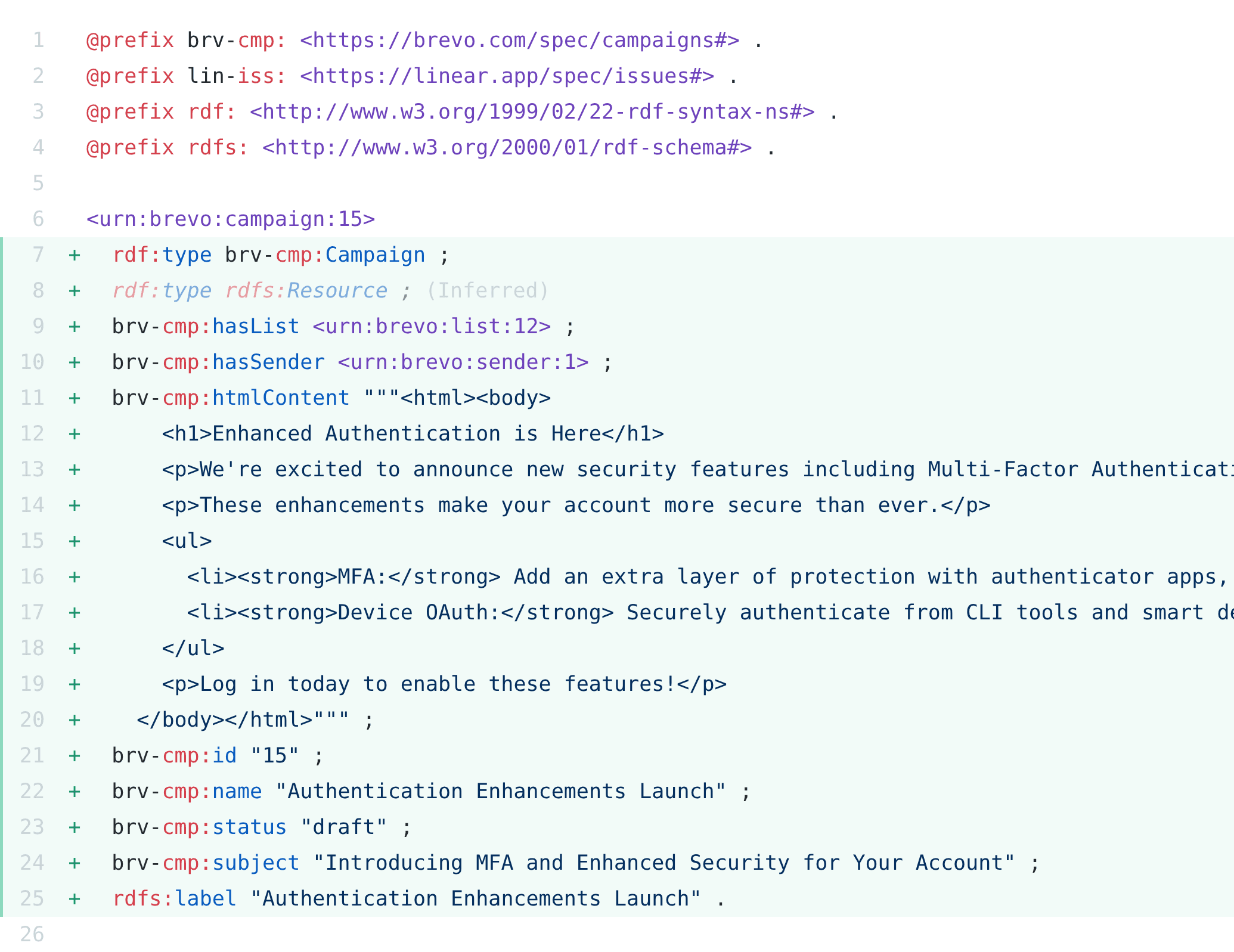
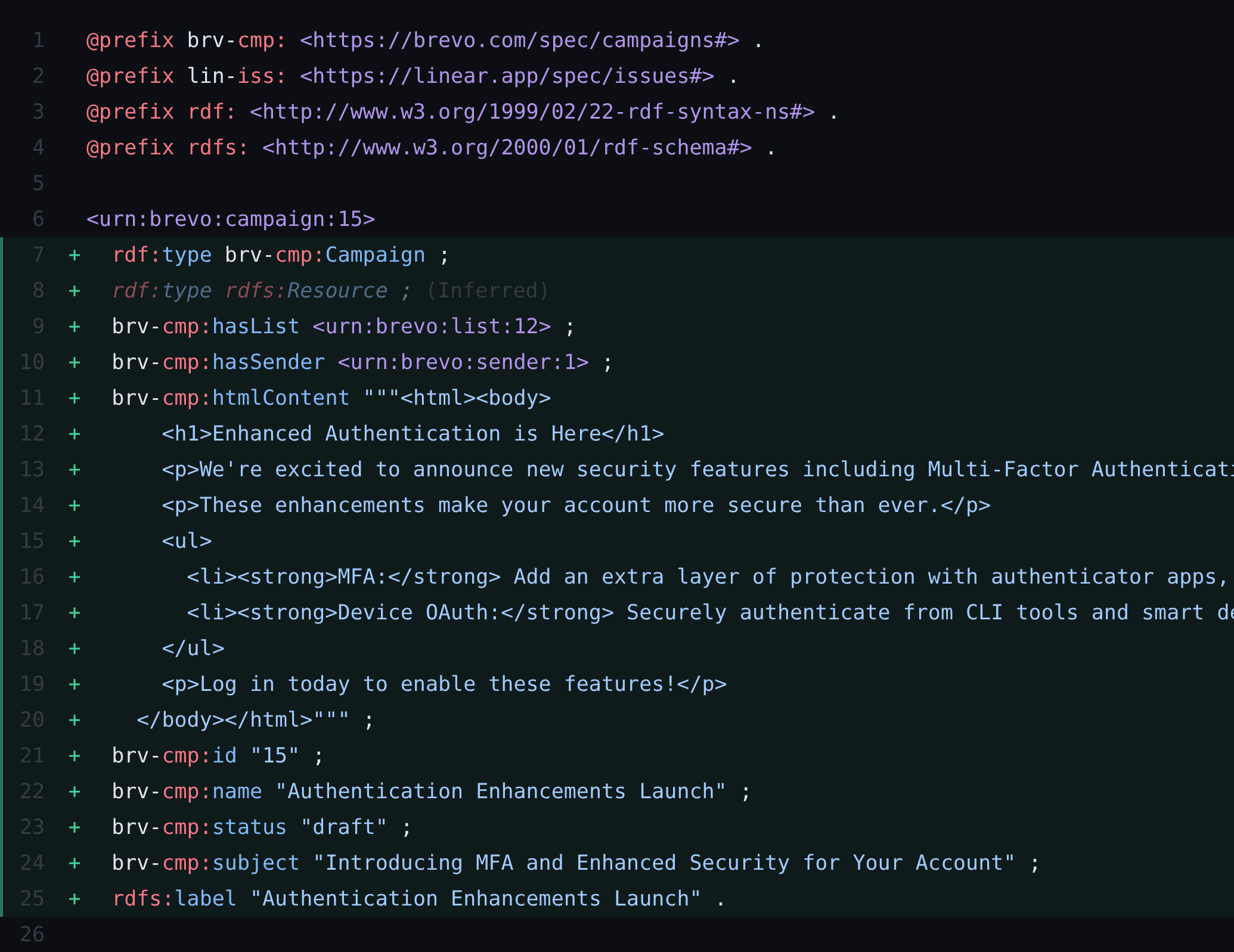
Review a diff, not a trace.
A structured diff over your business state. Which resources changed, by whom, under which authority, and why.
Context
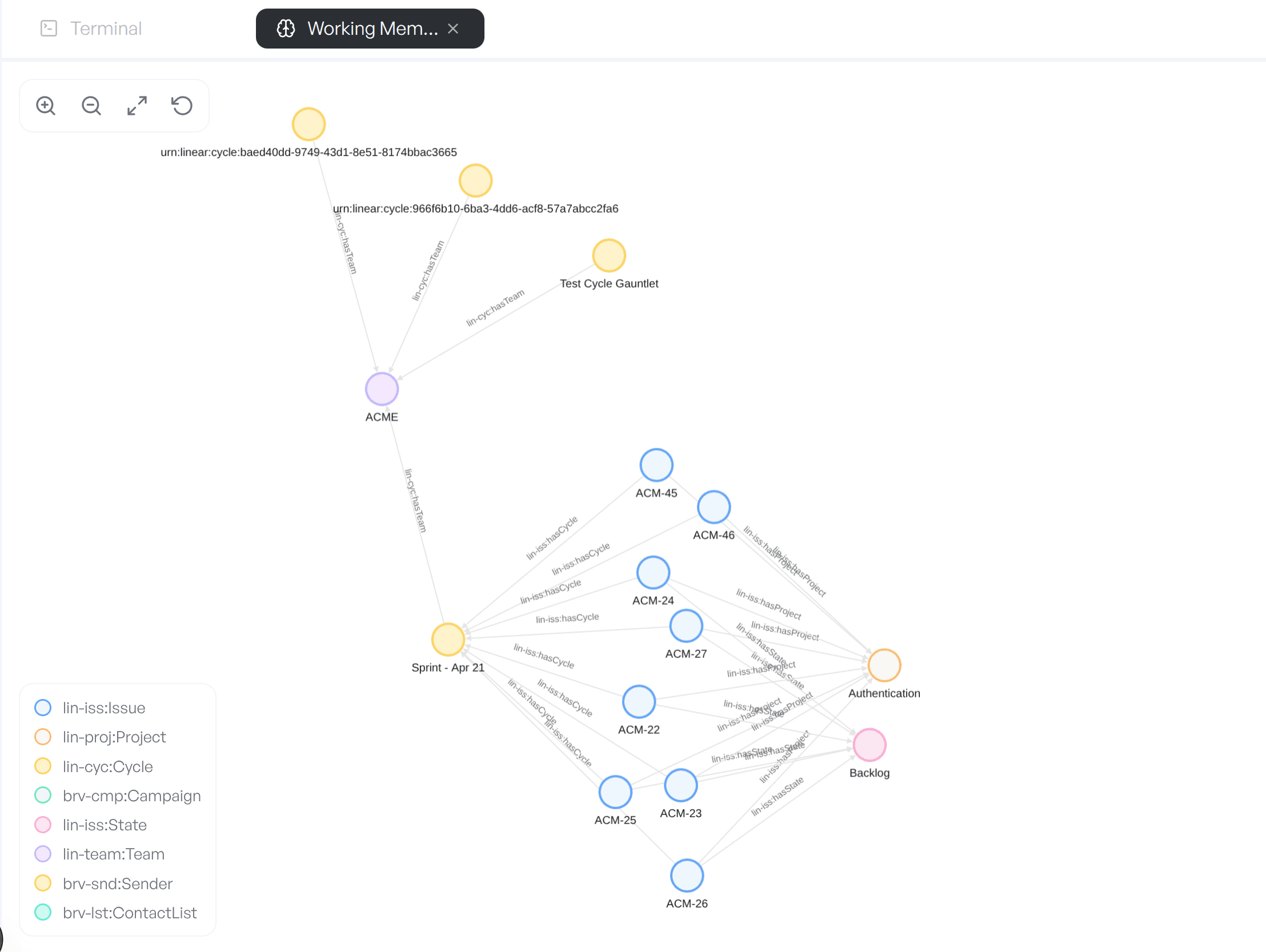
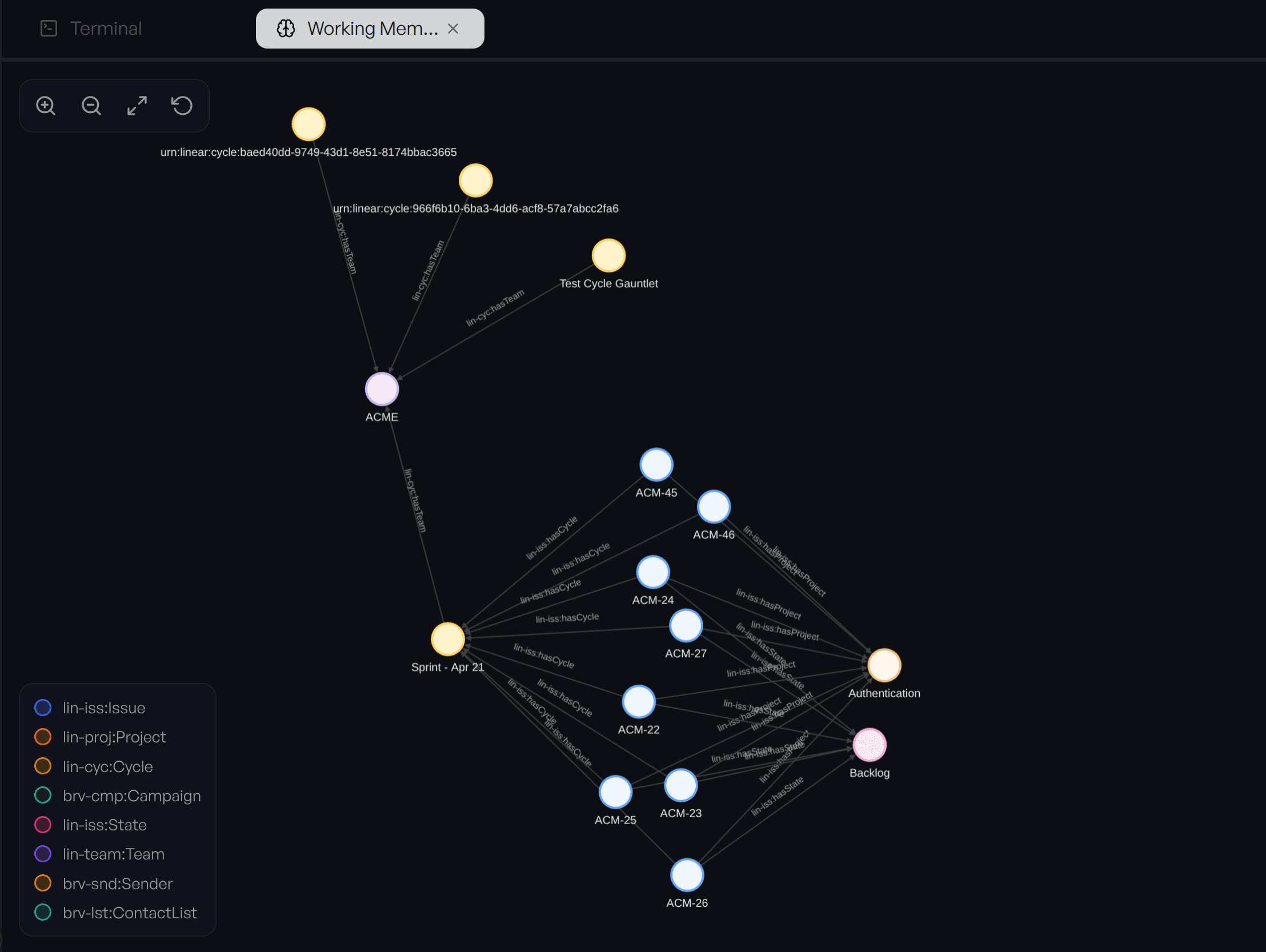
One resident AI, not a committee of specialists.
Multi-agent systems recreate the partial views and lossy handoffs they were supposed to fix. RARS holds one collaborative context graph. One AI, full context.
Determinism
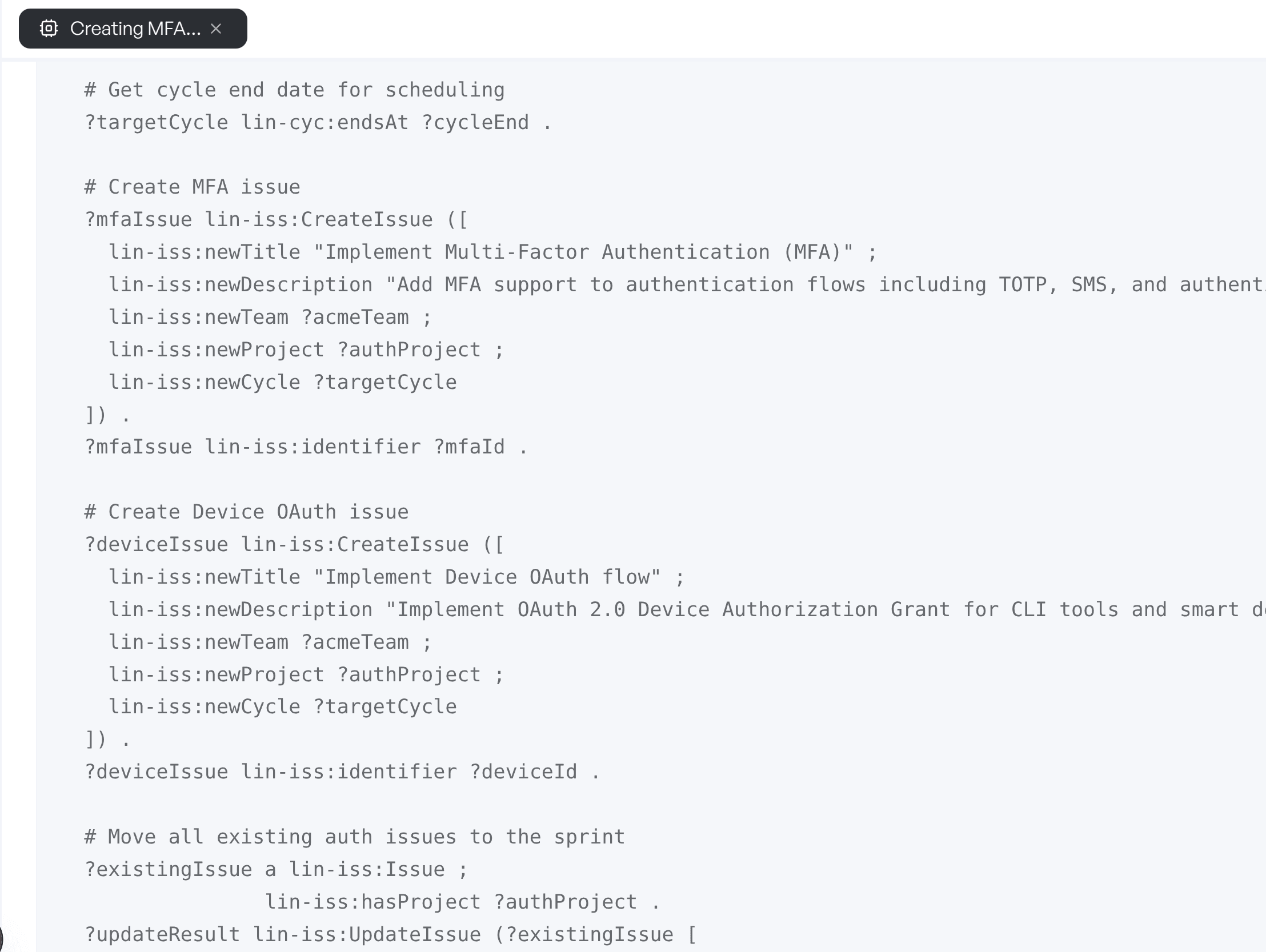
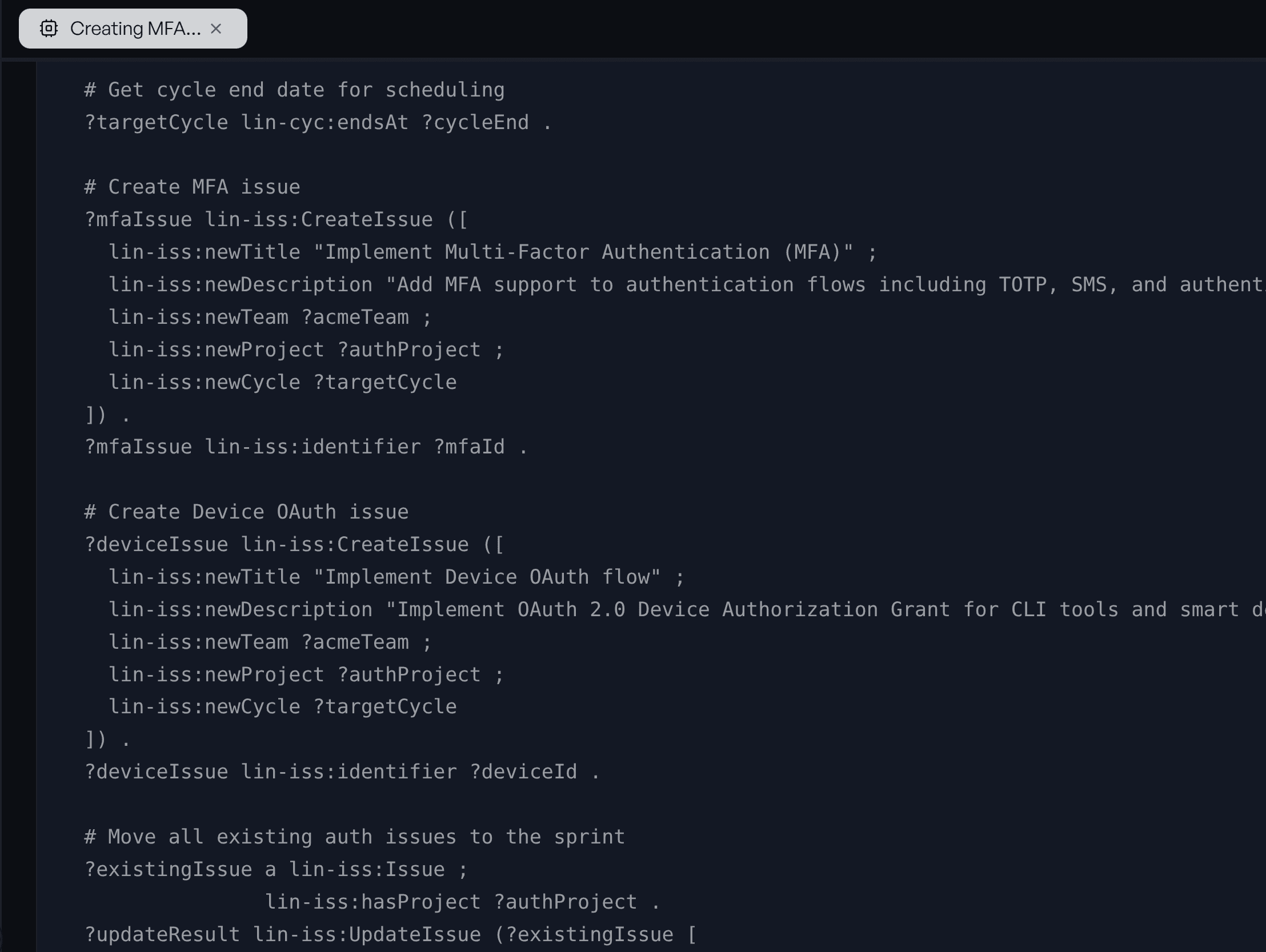
Cognition where it's needed. Nothing where it isn't.
Cognition only while exploring, while composing, and inside steps that genuinely require judgment. Everything else (dispatch, validation, policy enforcement, observation) runs deterministically in the substrate.
Composition
A unified system, not twenty tools.
RARS connects your processes and existing systems of record into one operating model the substrate enforces.
Cost
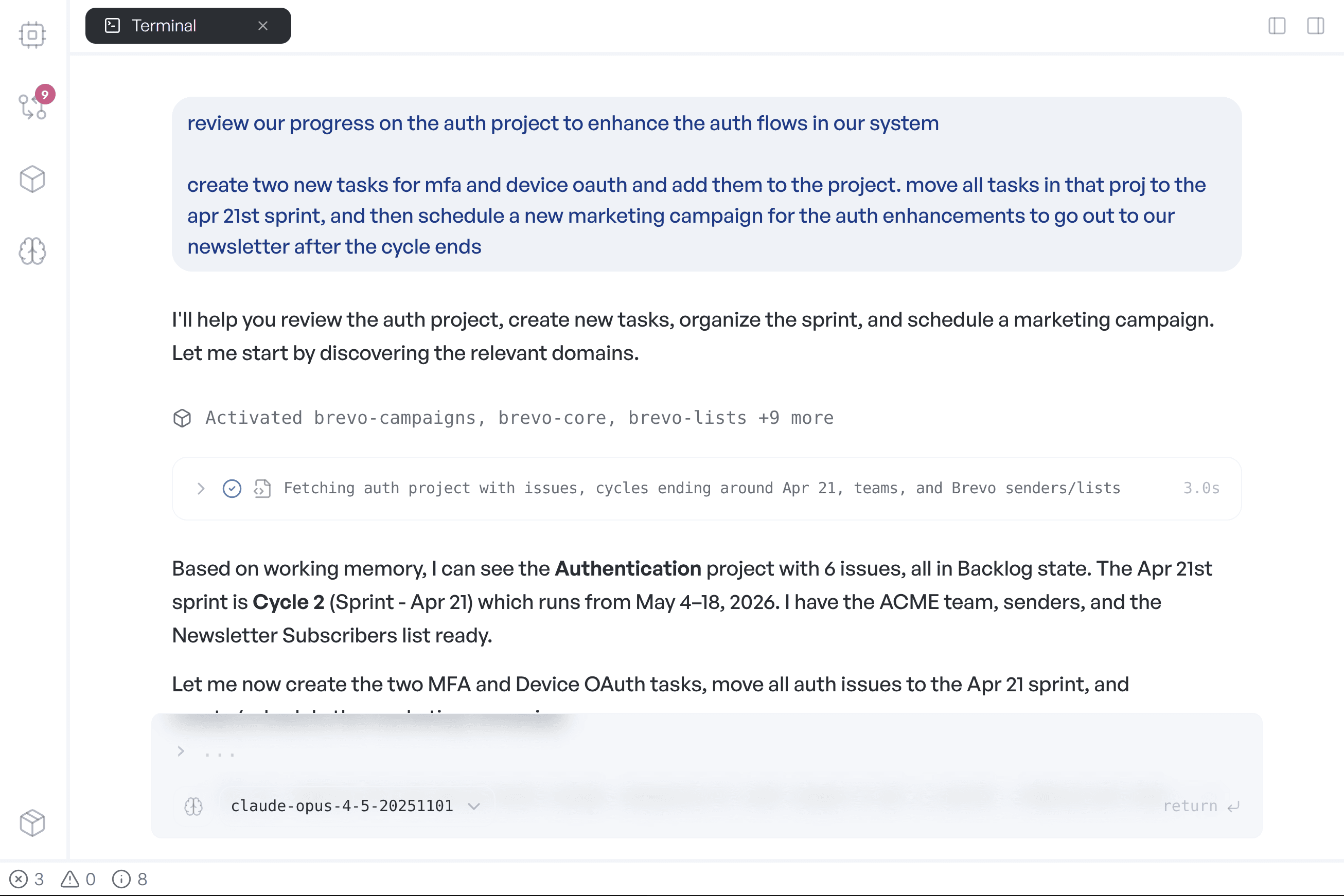
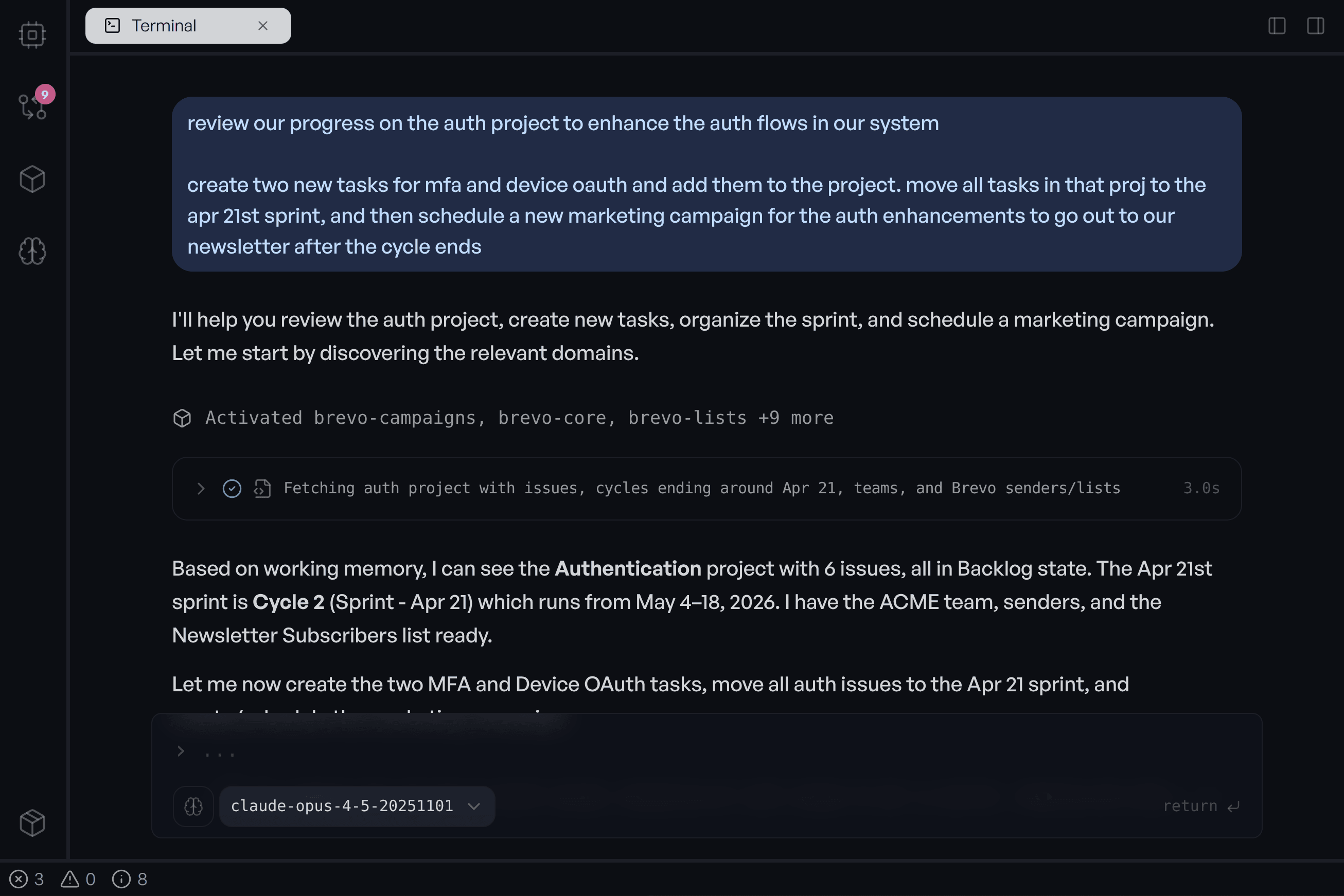
The cost difference is structural.
RARS chains interdependent tool calls into a single deterministic program. The substrate handles orchestration; cognition runs only where it's actually needed. Most enterprise workflows are mostly orchestration, and that's where the asymmetry lands hardest.
Agent loop
RARS
Cognition every step. Fresh context assembly, tool selection, parameter binding even on pure orchestration.
Cognition while exploring, while composing, and at steps that genuinely require judgment.
Drift compounds with every turn. The model does both the bookkeeping and the judgment.
Substrate dispatches, validates, enforces policy, records observation. Deterministically, without inference.
Tool calls and reasoning steps grow with workflow length.
One typed program. Tool calls and reasoning steps reduced.
Benchmark in progress: comparing outcome, inference count, total tokens, wall-clock, and failure rate at scale.
Poliglot Gravity · In design
Your business, observed.
Every action the OS ever executed is linked to the resources it touched, the policies it cleared, the context it ran in, and the moment in time. Provenance and state in one substrate.
Most organizations have been trying to assemble this dataset for thirty years and have never managed to. RARS produces it as a side effect of operating.
Poliglot Gravity is the strategic observability product that runs on top of it. In design. Coming after RARS.
Poliglot Impulse · In design
Where RARS becomes autonomous.
RARS today handles consequential work when an operator initiates it: a request, a description, a workflow they need run. The architecture extends naturally to the work the business produces on its own: thresholds tripping, contracts expiring, queues filling, conditions changing.
Poliglot Impulse watches the operating graph for the conditions that should trigger work and dispatches it to the OS to execute. Same substrate. Same diffs. Same provenance. Different mode. In design. Coming after RARS.
End